The Indian Education System: Beyond Marks
Objective:
To raise awareness about the importance of quality education in India and to highlight the need for a shift from marks-oriented learning to value-based growth.
Planning:
Our assembly was prepared through collaborative discussion and research. Each group member contributed to studying different aspects of the Indian education system, making the presentation meaningful and well-supported. Throughout the process, we demonstrated key IB Learner Profile attributes:
● We were Thinkers as we analyzed the root causes of issues,
● Communicators, as we presented our findings clearly to the audience, and
● Reflective as we evaluated how these challenges affect our society and our future.
To understand the ground reality, we explored:
● Government school culture
● University academic environment
● Societal pressure and influence, along with the promises and assurances made by national leaders
regarding educational reform.
Performances & Key Messages
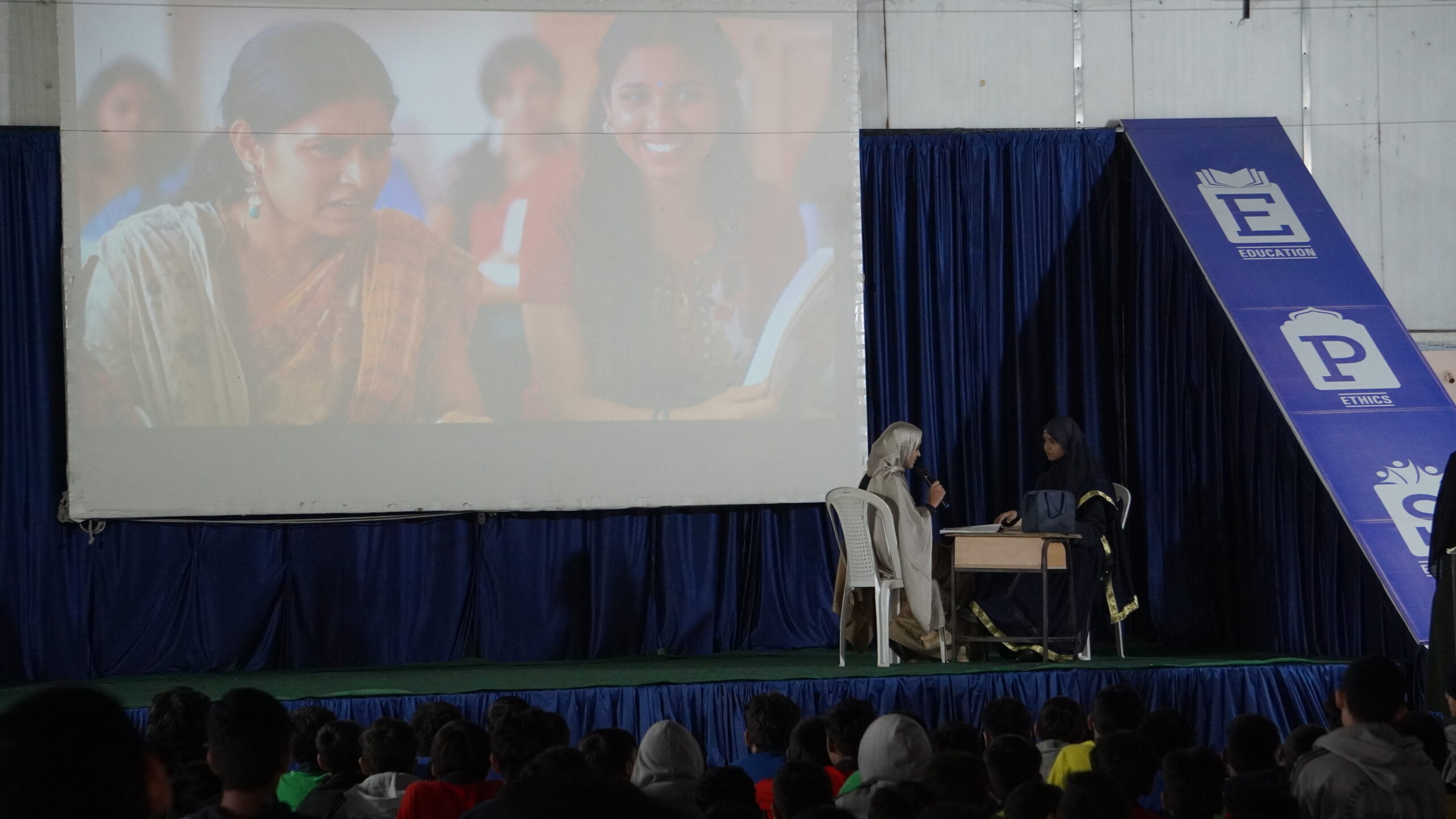
1. Nukkad Natak (Street Play):
This skit highlighted how parents sometimes plan their children’s futures without considering their interests or
aspirations. Unfulfilled parental dreams are often imposed on children, limiting their individuality and personal
growth.
2. University System Reality Play:
The second skit reflected the lack of concern and responsibility shown by faculty in some government
universities, such as Barkatullah University. Despite receiving adequate pay and benefits, many educators fail
to prioritize their duties. We raised the question: Is this due to negligence, complacency, or a loss of moral
judgment?
3. Government School Classroom Scenario:
Our third performance showcased how rigid rules and outdated teaching methods can suppress creativity.
Students’ original answers are frequently dismissed simply because they differ from textbook responses, revealing gaps in teacher training and exposure. This ultimately affects students’ confidence, curiosity, and
motivation.
Broader Social Reflection
We emphasized that money, influence, and job security are often valued more than effort, purpose, and
talent. Hard work is appreciated only when it leads to profit, weakening the true meaning of progress.
Government jobs, once rooted in service and responsibility, are now largely pursued for stability rather than
contribution.
We further discussed how the competitive exam culture (e.g., NEET, UPSC) has created an education
environment where:
● Marks outweigh understanding
● Pressure overshadows learning
● Systemic flaws remain unaddressed
● Brain drain increases as capable minds move abroad for better opportunities
Conclusion
While examinations may shape careers, true education must shape character.
Reform is needed to prioritize:
● Effort over shortcuts
● Honesty over convenience
● Justice over advantage
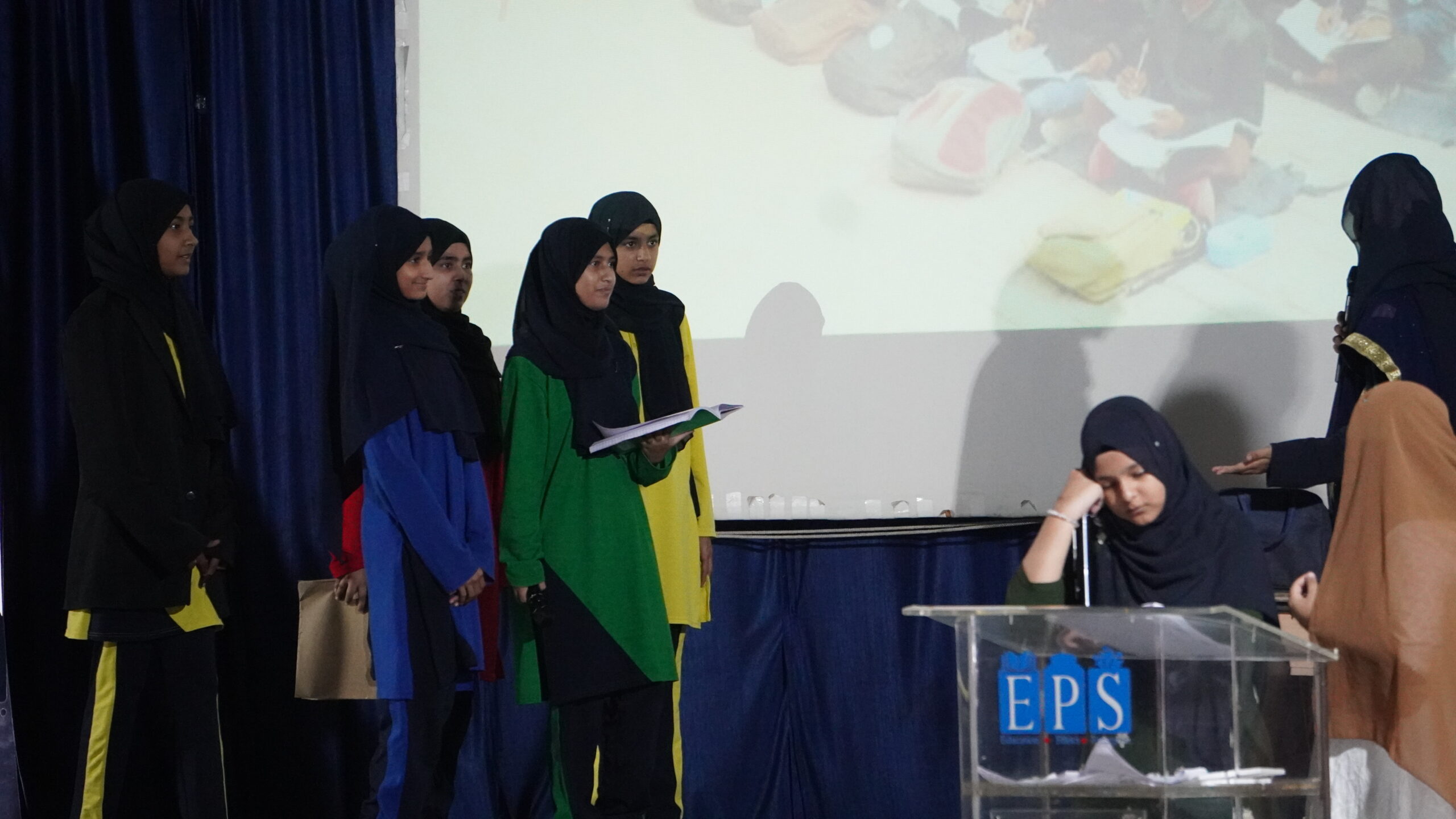
In our final skit, we connected this message to the IB/ISP Learner Profile, demonstrating how qualities such as being Inquirers, Knowledgeable, Thinkers, Communicators, Principled, Open-minded, Caring, Risk-takers, Balanced, and Reflective—along with ethical traits like Honesty, Compassion, Justice, Courage, Patience, Forgiveness, Generosity, Humility, and Gratitude—are essential for personal growth and responsible global citizenship. These attributes guide students not only toward success in this world, but also in the Hereafter.
Reflection Question:
Where are our youth, and what future are we preparing for our nation?
A nation grows only when it nurtures both the minds and the morals of its children.
If promises become progress, India will not only retain its students — it will lead the world in innovation and
knowledge.
Final Thought:
“Neglect the child, and watch decay — for stolen dreams don’t fade, they stay.”